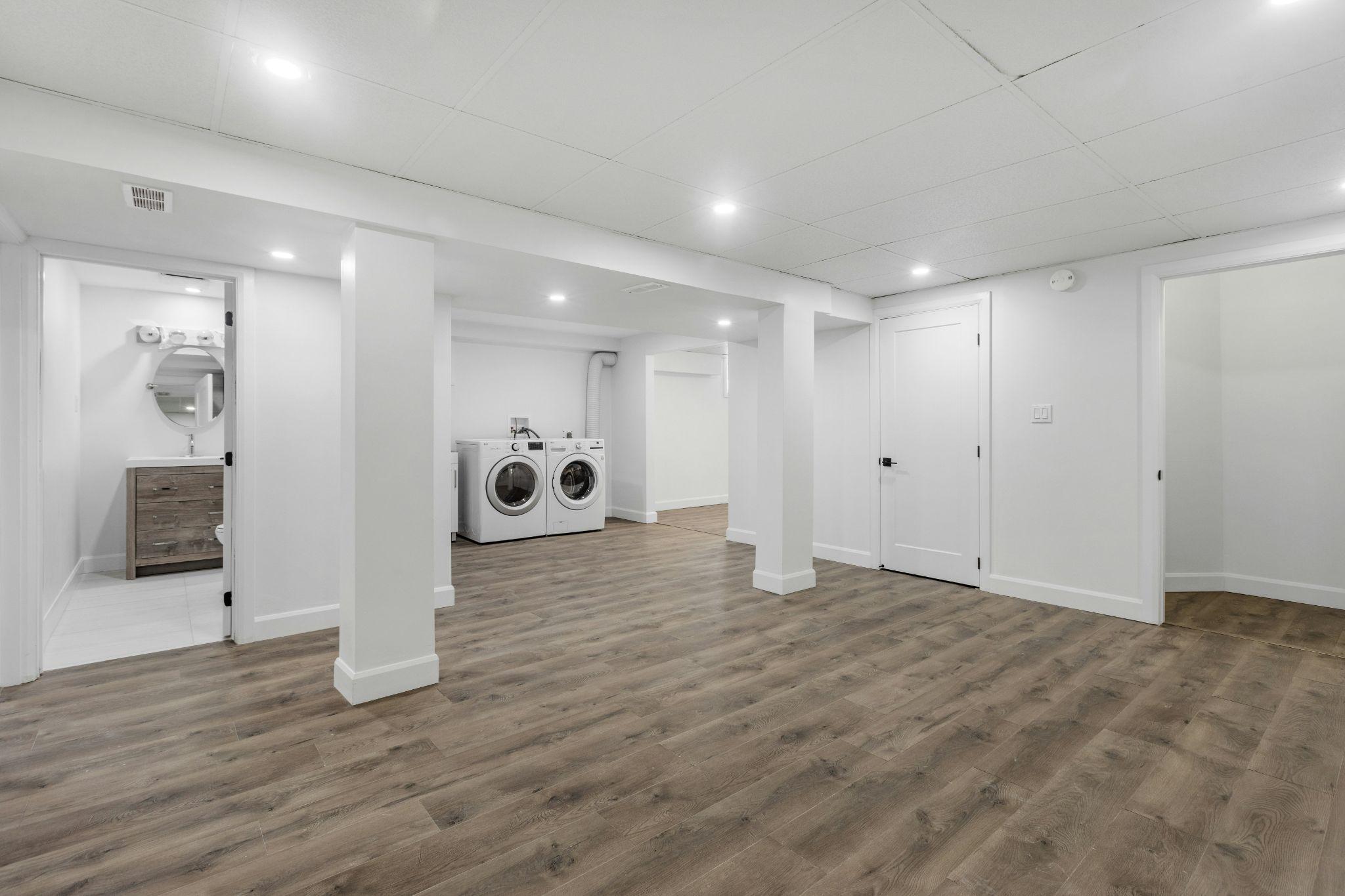
It’s easy to forget what’s happening under your home. You don’t see it, you don’t walk on it, and as long as your floors feel solid, it’s easy to assume everything below is fine. But the space beneath your house plays a bigger role than most people realise, and when moisture gets trapped down there, the damage doesn’t always show up right away.
What starts as a bit of damp air can quietly soak into timber, insulation, and support structures over months or years. You might notice a slight musty smell, or find that your floorboards shift more than they used to. But by the time visible signs appear, moisture has often already caused long-term issues that can’t be wiped away or painted over.
Keeping your subfloor dry isn’t just about comfort. It’s about protecting the health and stability of your entire home.
Most subfloor moisture problems aren’t caused by dramatic floods or broken pipes. They happen slowly. A little rainwater pooling near the footings. Warm, humid air seeping into a cool crawl space. Minor changes in drainage after a renovation. These are small shifts that add up over time, especially when the air below your house has nowhere to go.
In many homes, especially older ones or those built on sloping blocks, airflow beneath the floor was never great to begin with. Some homes were built with minimal venting, while others relied on passive cross-breezes that no longer work once landscaping, extensions, or paving alters the natural flow of air. Even well-insulated, energy-efficient homes can struggle if their subfloor was sealed too tightly during a retrofit.
Climate plays a role too. In areas with high humidity, moisture hangs in the air longer and is slower to evaporate. In cooler zones, condensation can form under the house without ever being noticed. If that air isn’t moving, moisture collects and stays, settling into the structure, bit by bit.
Timber doesn’t have to be soaked to start failing. It just needs to stay damp. Over time, joists and bearers exposed to persistent humidity begin to soften. That leads to sagging floors, uneven movement, and eventually structural weakness that requires serious repairs. Particleboard and engineered flooring are especially vulnerable, swelling and delaminating with repeated exposure.
Steel fixings and brackets don’t escape either. In moist environments, they rust faster, especially when airflow is poor and moisture clings to them for extended periods. Even treated pine or termite-resistant framing will degrade if it’s constantly in contact with wet air and organic build-up.
It’s not always dramatic. Often the damage creeps in slowly: insulation losing its effectiveness, floor coverings warping at the edges, or a soft bounce in spots that once felt firm. But left unchecked, trapped subfloor moisture turns from a minor irritation into a major structural problem.
When signs of moisture appear indoors, most people focus on surface-level fixes. They might repaint a discoloured wall, replace a few warped boards, or run a dehumidifier. And while those changes can improve comfort, they don’t stop the underlying cycle of damp air rising from below.
That’s why long-term moisture control often starts with a subfloor ventilation system. These systems are designed to move air through the space beneath your floors, drawing out humidity before it can settle into the structure. They don’t rely on open windows or weather conditions—and they work in the background, constantly regulating moisture without needing much attention.
Installing ventilation below the house prevents the kind of buildup that leads to ongoing damage. It’s not about reacting to mould or soft spots. It’s about creating the kind of airflow that stops those problems from forming in the first place.
Subfloor moisture doesn’t just affect materials, it affects the air you breathe. Damp environments are ideal for mould, mildew, and dust mites, which thrive in places that stay still and moist. Once those spores form under your floor, they don’t stay there. They travel up into living spaces through tiny gaps and air currents, especially when heating or cooling systems move air around the house.
People with asthma, allergies, or respiratory conditions are especially sensitive to these changes in air quality. Even if mould isn’t visible indoors, it can still be present in the air, triggering symptoms that seem unrelated to the home itself. Coughing, congestion, irritated eyes—these are often written off as seasonal, but can be tied directly to poor ventilation.
Because these issues build up slowly, they’re rarely traced back to a single cause. But in many cases, improving subfloor airflow reduces indoor moisture levels and improves air quality throughout the house.
It’s easy to assume your subfloor is fine if you haven’t seen any major issues. But the effects of trapped moisture are almost always delayed, and by the time you’re dealing with repairs, the damage is already done. The cost of fixing sagging floors, replacing insulation, or restoring structural timber is far higher than the cost of getting ahead of the problem.
Moisture doesn’t need to be dramatic to be destructive. A subfloor that stays damp year-round, even just slightly, will slowly wear down your home’s comfort, air quality, and structural integrity. That’s why regular checks and a proper ventilation plan matter, especially in areas prone to humidity or poor drainage.
The floor you walk on is only as stable as the air that surrounds it underneath.